2026 Auto Loan Interest Rate Trends for Car Shoppers: Key Insights for Used Car Financing
Posted Friday, Feb 13, 2026
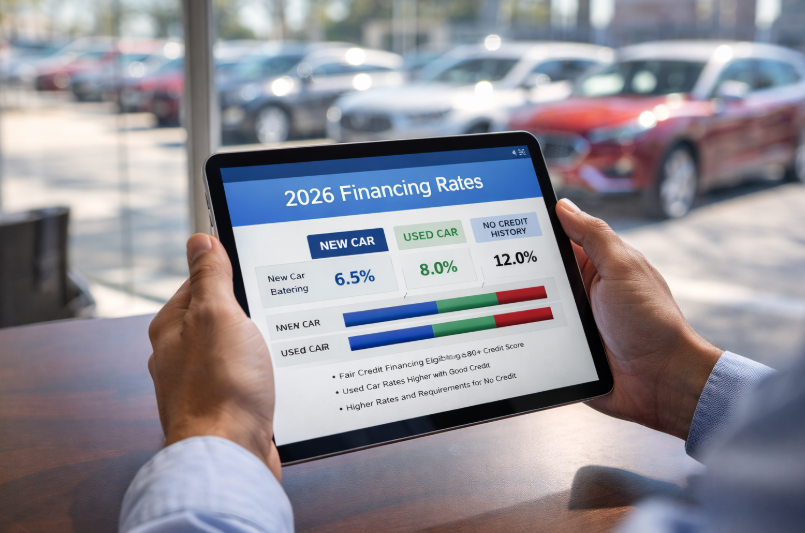
The 2026 auto loan landscape is shaping up to be one of the most important factors for anyone planning to buy a car—whether it’s a new vehicle or a pre-owned car. With interest rates in flux, evolving financing incentives, and a market increasingly divided between new vehicle demand and a robust used car market, car shoppers need practical guidance to make informed decisions.
This post explores the latest 2026 auto loan interest rate trends, outlines how borrowing costs and loan terms affect monthly payments, and provides actionable tips for securing the best auto financing deals. Whether you’re buying a used vehicle, certified pre-owned, or a new car, understanding these trends can save thousands over the life of a loan.
How Are Interest Rate Changes Shaping the 2026 Car Market?
Interest rates continue to be a driving force in the 2026 car market. Analysts expect that auto loan rates may moderate compared with the peaks seen in 2025, but borrowing costs remain a top concern for many buyers. Lower interest rates can reduce monthly car payments, making longer loan terms more appealing, while higher rates often push buyers toward the used vehicle market to manage total interest.
For car shoppers, the combination of interest rate and loan term is critical:
- Longer loan terms → lower monthly payments but higher total interest.
- Shorter loan terms → higher monthly payments but less total interest.
Comparing the quoted rate, annual percentage rate (APR), and dealership incentives ensures buyers make financing choices aligned with their budgets and long-term financial goals.
Will Rates Drop Enough in 2026 to Make Buying a New Car More Affordable?
Many car buyers wonder whether lower interest rates will make new cars more accessible in 2026. While analysts anticipate some easing as inflation trends stabilize and economic growth continues, the extent of the rate drop is key.
Even modest reductions can make monthly payments more manageable, especially when paired with manufacturer incentives. However, dealerships may rely more on rebates rather than deep interest rate cuts, meaning affordability depends on both financing terms and pricing strategies.
Buyers with strong credit could secure lower interest rates or special auto financing through OEM programs, while others may find better options at credit unions or when exploring certified pre-owned financing.
How Should Buyers with Strong Credit Approve Auto Loan Offers in 2026?
Buyers with strong credit continue to have leverage in the auto loan marketplace. A solid credit score allows car shoppers to compare rates across:
- Banks
- Credit unions
- Dealership lenders
Credit unions often offer competitive used car loan rates and flexible loan terms that reduce total interest compared with standard dealership financing.
When evaluating offers, consider:
- APR and loan term length
- Prepayment penalties
- Incentives tied to financing
Obtaining pre-approval from a credit union can give buyers negotiating power at the dealership, avoiding last-minute high-interest loan offers.
Is the Used Car Market a Better Option if Interest Rates Stay Elevated?
When interest rates remain high, turning to used vehicles becomes an attractive strategy. Lower purchase prices reduce the loan amount, offsetting higher borrowing costs. Certified pre-owned vehicles combine these savings with manufacturer-backed warranties and competitive auto financing options.
Buyers should weigh loan terms carefully:
- Longer loans lower monthly payments but increase negative equity risk.
- Target vehicles with strong resale value to minimize depreciation risk.
Supply-chain shifts, tariffs on imported vehicles and parts, and rising production costs may also impact long-term vehicle pricing, making smart used car financing decisions even more important.
How Are EVs and Electric Vehicle Financing Trends Affecting Interest Rates?
The EV market is increasingly influencing 2026 auto loan rates. Government incentives, growing consumer confidence, and new financing programs affect both new and used electric vehicle purchases.
Key considerations for EV buyers:
- New EV financing often includes promotional lower interest rates or manufacturer incentives.
- Used EV buyers must account for battery performance, maintenance, and resale value, which can impact loan rates.
- Comparing multiple lenders is essential for determining the best total cost of ownership, including insurance and charging costs.
What Role Do Credit Unions and Banks Play in Securing Lower Auto Loan Rates?
Credit unions often provide lower auto loan rates than many dealership lenders. Their member-focused approach includes:
- Competitive APRs
- Flexible loan terms
- Personalized service for new and used car financing
Traditional banks and online lenders also compete aggressively. Rates vary, so securing multiple pre-approved offers can save thousands over a loan’s life. Pre-approval clarifies your budget, whether shopping at a dealership or buying privately.
How Do Loan Terms Influence Total Interest and Monthly Payments?
The length of your loan term plays a key role in determining both your monthly payments and the total interest you’ll pay over time.
- Longer loans → lower monthly payments but higher total interest.
- Shorter loans → higher monthly payments but lower total interest.
In 2026, longer loans remain popular as buyers seek manageable monthly payments, but they come with increased borrowing costs. Modeling both monthly payment and total interest is crucial to ensure affordability.
Are Dealerships Still Offering Competitive Auto Financing in 2026?
Dealerships remain central to auto financing, bundling trade-ins, incentives, and loan offers. Many offer promotional APRs for buyers with strong credit or for certain models, including certified pre-owned vehicles.
Tips for dealership financing:
- Compare dealership offers with pre-approved loans.
- Watch for add-ons that inflate the loan amount.
- Negotiate price separately from financing to find the best overall terms.
How Will 2025 Market Performance Influence 2026 Auto Loan Rates?
A surprisingly strong 2025 automotive market is shaping 2026 interest rate trends.
- High 2025 demand may lead to more favorable financing and lower interest rates.
- Persistent high prices due to tariffs or supply issues could keep borrowing costs elevated.
Monitoring macro factors like consumer confidence, vehicle production, and economic indicators can help buyers anticipate rate changes. Locking in competitive loan offers early may be advantageous.
What Practical Steps Can Buyers Take to Lower Borrowing Costs?
Practical strategies for lower interest rates include:
- Improve and verify your credit score before applying.
- Obtain pre-approval from a credit union or bank.
- Consider shorter loan terms to reduce total interest.
- Negotiate vehicle price and trade-in separately from financing.
- Explore certified pre-owned options with manufacturer-backed terms
Even small differences in APR can significantly affect monthly payments and total interest over the life of the loan.
How Do Longer Loan Terms and Rising Car Prices Interact in 2026?
High vehicle prices are prompting buyers to choose longer loan terms to manage monthly payments. While this reduces immediate financial burden, it increases total interest and slows progress toward full ownership.
Alternatives include:
- Selecting lower-priced used vehicles or certified pre-owned cars
- Choosing models with strong resale value
- Pairing shorter loans with a larger down payment to reduce overall costs
Are Incentives Shifting from Cash Rebates to Lower Interest Rates in 2026?
Incentives are evolving depending on inventory levels and competitive strategy:
- Lower interest rates or subsidized APRs may replace cash rebates for well-qualified buyers.
- Cash rebates may still benefit buyers who want to reduce the loan amount.
Compare both to determine which saves more over the life of the loan.
What Should Buyers Expect When Negotiating at Dealerships in 2026?
Preparation is key when visiting a dealership:
- Arrive with pre-approval and knowledge of competing offers
- Negotiate price separately from financing.
- Request full loan details in writing, including APR, loan length, and fees.
Being ready ensures lower monthly payments and favorable loan terms.
How Are Car Insurance and Total Ownership Costs Factored Into Loan Decisions?
Monthly car payment is just part of total cost. Include:
- Car insurance
- Maintenance and repairs
- EV-specific costs like charging infrastructure
Considering these alongside financing costs helps maintain affordability and avoids overextending your budget.
What Key Trends Should Car Buyers Watch Through 2026?
Key auto financing trends include:
- Direction of interest rates and timing of drops
- Shift from cash rebates to lower interest programs.
- Growth in the used car market and the certified pre-owned appeal
- EV financing developments and how lenders price used EV risk
- Dealer responses to tariffs or rising production costs
Being aware of trends helps car buyers time purchases and negotiate effectively.
How Can Buyers Planning to Buy in 2026 Prepare Now?
Preparation tips:
- Check and improve your credit score.
- Get pre-approved and compare offers.
- Decide between new vehicles, certified pre-owned, or used cars
- Consider a larger down payment to reduce total borrowing costs.
Planning ahead ensures access to the lowest interest rates and best loan terms at dealerships.
Where Can Buyers Find Reliable Market Data on Auto Loan Rates?
Trusted sources:
- Kelley Blue Book for pricing insights
- Cox Automotive for market trends
- Federal economic data on interest rates and inflation trends
Combine research with pre-approved lender quotes to find the most competitive auto financing.
Final Considerations Before Signing a Loan
Before committing:
- Verify APR, total interest, loan length, and monthly payment.
- Ensure financing fits your broader financial plan.
- Consider resale value and potential risk factors like tariffs or rising costs.
- Choose shorter loans or higher down payments to reduce total cost.
Key takeaways
- 2026 interest rate trends may moderate, but borrowing costs remain central
- Buyers with strong credit can leverage offers from credit unions, banks, and dealerships.
- Used and certified pre-owned vehicles are attractive if rates remain high
- Longer loans reduce monthly payments but increase total interest and risk.
- EV financing is evolving—compare offers carefully.
- Pre-approval and price negotiation are critical at dealerships.
- Monitor market data from Cox Automotive, Kelley Blue Book, and economic indicators.
- Include insurance and ownership costs in loan affordability calculations.
For buyers in Pompano Beach, local dealers like Marciano Auto Group Inc can assist with used car loan options and pre-owned car financing. Exploring affordable used car financing in Pompano Beach, FL, comparing rates from credit unions, and discussing certified pre-owned options with dealerships can help secure competitive auto financing.