Understanding Car Trade-Ins: How to Maximize Your Trade-In Value
Posted Thursday, Oct 09, 2025
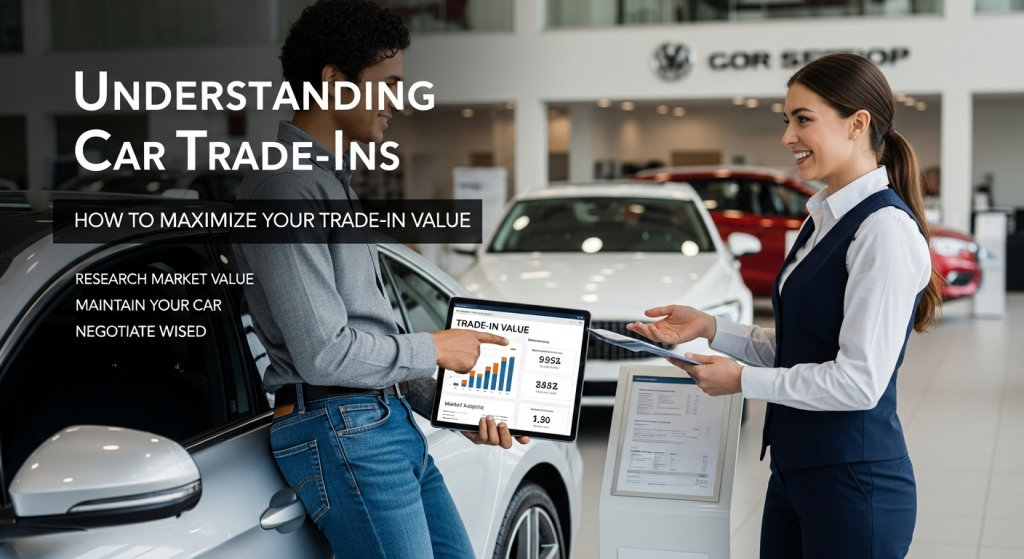
In today’s automotive market, car buyers want to get the best possible return when upgrading their current vehicle. Whether you’re looking to trade in your car for a newer model or simply want to know your car’s worth, understanding the trade-in process is essential. The value of your trade-in can make a significant difference in the price you pay for your next car, and taking the right steps ensures you don’t leave money on the table.
This guide explores everything you need to know about maximizing your trade-in value, from preparation and timing to negotiation and dealership strategies. With practical tips and real-world examples, you’ll learn how to navigate the trade-in process and secure the best offer for your current vehicle.
What is the Trade-In Process and How Does It Work?
When you trade in your car at a dealership, you’re essentially exchanging your current vehicle for credit toward your next purchase. This trade-in credit reduces the price of your new or used car, lowering your out-of-pocket expenses.
Here’s a step-by-step look at how the trade-in process usually works:
- Documentation Gathering – Collect your vehicle title, registration, and maintenance records. These documents prove ownership, roadworthiness, and regular care.
- Vehicle Appraisal – The dealership will assess your car’s condition, mileage, make and model, and local market value.
- Offer Presentation – You’ll receive a trade-in offer, usually based on the appraisal and current used car market trends.
- Negotiation – This is where you can influence your car trade-in value by presenting research and documentation.
Knowing each step helps you approach the process with confidence, ensuring you maximize the value of your trade-in.
How Can You Maximize Your Trade-In Value Before Visiting a Dealership?
Maximizing your trade-in value starts with preparation. A few smart actions can significantly boost the offer for your current vehicle:
- Research Market Value – Use tools like Kelley Blue Book or Edmunds to estimate your car’s worth. Enter details like year, make, model, mileage, and condition.
- Compare Across Dealerships – Don’t accept the first number. Multiple appraisals help you identify the best trade-in offer.
- Minor Fixes Pay Off – Small repairs (scratches, dents, headlight replacements) can increase perceived value.
Pro Tip: A clean, well-maintained car not only looks appealing but signals to the dealer that the vehicle will sell quickly, giving you leverage in negotiations.
What Factors Influence Your Car's Trade-In Value?
Several key elements determine the value of your trade-in:
- Make and Model – Popular models in high demand retain stronger resale value.
- Age and Mileage – A newer car with fewer miles typically commands a higher trade-in price.
- Condition – Both cosmetic appearance and mechanical health influence the dealer’s offer.
- Market Trends – If used cars are in demand, you may receive a higher appraisal.
For example, during times when SUVs or trucks are in high demand in the local market, dealerships may offer more for these specific vehicle types. Monitoring market trends helps you choose the right time to trade.
How Should You Prepare Your Car for a Trade-In?
Preparing your car can significantly improve its appraisal value. Dealerships look for vehicles that require minimal reconditioning before resale.
Here’s how to prepare effectively:
- Deep Clean Your Car – Wash, wax, and vacuum the interior. A clean car instantly boosts appeal.
- Fix Minor Issues – Address scratches, small dents, and burned-out bulbs.
- Show Maintenance Records – Documentation proves consistent care and boosts trust.
- Remove Personal Items – A neutral interior helps the dealer envision it as resale-ready.
Even small touches like replacing worn floor mats or polishing headlights can help you maximize the value you receive.
What Documentation Do You Need to Trade In Your Car?
Bringing the right documentation ensures a smooth trade-in process and avoids delays. Required items typically include:
- Vehicle Title – Proof of ownership.
- Registration – Confirms your car is legally allowed on the road.
- Loan Payoff Statement (if applicable) – If you still owe on your car loan, the dealer uses this to calculate payoff.
- Maintenance Records – Demonstrates consistent care, boosting your car’s trade-in value.
Failing to bring these documents may reduce the value you receive, since the dealership has less assurance of the car’s history and ownership.
How Can You Negotiate Effectively for the Best Trade-In Offer?
Negotiating is often where car buyers secure the most gains. To negotiate effectively:
- Arrive with Research – Know your car’s current market value using online tools.
- Start with a Higher Number – Dealers expect negotiation, so aim above your target price.
- Leverage Multiple Offers – Showing that you have competitive appraisals gives bargaining power.
Example: If one dealership offers $6,000 for your current vehicle but another offers $6,800, you can present this to the first dealer and potentially raise their offer.
Negotiation ensures you get the best possible trade-in deal.
When Is the Best Time to Trade In Your Car?
The timing of your trade-in can greatly affect the value you receive. Generally, the best time to trade in your car is during peak buying seasons, such as spring and summer, when dealerships are looking to stock their inventory with used cars.
Additionally, consider trading in your vehicle before it reaches higher mileage or depreciates further. Keeping an eye on market trends can help you identify the optimal time to maximize your trade-in value.
What Common Mistakes Should You Avoid During the Trade-In Process?
Avoiding mistakes is just as important as preparing correctly. Common pitfalls include:
- Skipping Market Research – Without knowing your car’s current market value, you risk a lower offer.
- Ignoring Vehicle Appearance – A dirty, cluttered, or neglected car signals low value.
- Accepting the First Offer – Always compare across multiple dealerships.
- By steering clear of these mistakes, you’ll get the most value when trading in your car.
How Do Online Valuation Tools Help You Understand Trade-In Value?
Online resources are powerful tools for researching your car’s market value. Sites like Kelley Blue Book, Edmunds, and dealer websites provide instant estimates.
Benefits of using online tools:
- Accurate Benchmark – Understand what your car is worth in today’s market.
- Negotiation Power – Use estimates to push for a competitive trade-in price.
- Convenience – Get instant results without visiting a dealership.
By entering details about your make and model, mileage, and condition, you’ll receive a fair range for your car’s trade-in value, helping you avoid lowball offers.
How Can You Navigate Trade-Ins to Get the Most Value for Your Car?
Navigating the trade-in process can feel overwhelming, but with the right approach, you can maximize your trade-in value.
- Do Your Research – Know your vehicle’s value before walking into a dealership.
- Prepare Thoroughly – Clean, repair, and gather documents.
- Negotiate Smartly – Be confident and ready to counter offers.
- Consider Multiple Dealerships – Competition can drive up the trade-in price.
By following these strategies, you can turn your old car into maximum value toward your next car.
FAQ: Vehicle Trade-Ins and Maximizing Your Value
Q1: How do I know what my car is worth before a trade-in?
You can research your car’s current market value using tools like Kelley Blue Book or Edmunds. Enter your vehicle’s make, model, year, mileage, and condition to get a realistic range of what dealerships might offer.
Q2: Should I fix issues before trading in my car?
Yes, small cosmetic or mechanical fixes—like dents, scratches, or headlight replacements—can significantly boost your car’s trade-in value. However, avoid costly repairs that won’t add equal resale value.
Q3: Can I trade in my car if I still owe money on it?
Absolutely. The dealer will use your loan payoff statement to calculate how much credit you’ll receive. If your trade-in is worth more than the loan balance, the difference can go toward your next car.
Q4: Do dealerships give better offers than selling privately?
Not always. Selling privately may bring a higher price, but trading in at a dealership is faster, easier, and can reduce the new car price by applying trade-in credit immediately.
Q5: When is the best time to trade in a car for maximum value?
The best time to trade in your car is before it racks up high mileage or loses value due to market trends. Spring and summer are typically peak times for dealerships seeking inventory.
Key Takeaways for Maximizing Your Trade-In Value
- Research your car’s market value using online tools.
- Prepare your vehicle by cleaning and fixing minor issues.
- Gather all necessary documentation for a smooth trade-in process.
- Negotiate effectively by knowing your target price and being prepared to counter offers.
- Be aware of market trends and timing for the best trade-in opportunities.
Final Thoughts
Understanding the trade-in process empowers car buyers to make informed decisions, secure better deals, and maximize the value of their trade-in. With preparation, research, and negotiation, you can ensure that your car trade-in value works in your favor when purchasing your next car.
If you’re in South Florida, Marciano Auto Group Inc. is a trusted resource for car buyers looking to maximize their used vehicle value. Known for fair assessments, competitive used car trade-in offers, and a wide selection of quality cars in Pompano Beach, FL, they make it easy to navigate the trade-in process and upgrade to your next vehicle with confidence.